What a gold IRA actually is
A gold IRA is a self-directed individual retirement account that holds physical, IRS-approved precious metals instead of — or alongside — paper assets. It carries the same tax advantages as a conventional IRA. The difference is what sits inside it: allocated bullion with a serial number, held on your behalf in an approved depository, rather than shares or fund units.
Because it is self-directed, a specialized custodian administers the account and an approved depository stores the metal. You decide what to buy; the custodian and depository handle compliance and safekeeping.
The four steps, start to finish
1. Open a self-directed IRA
You open an account with a custodian that handles precious-metals IRAs. A specialist typically helps with the paperwork, often in a single short call.
2. Fund it — or roll over
You can contribute new funds or move money from an existing retirement account. A direct, custodian-to-custodian transfer or rollover from an eligible 401(k), 403(b), TSP, or IRA is generally not a taxable event and carries no early-withdrawal penalty when completed correctly.
3. Choose IRS-approved metals
You select from gold, silver, platinum, or palladium products that meet IRS fineness standards. Not every coin qualifies, so your specialist will confirm eligibility before purchase.
4. Store with an approved depository
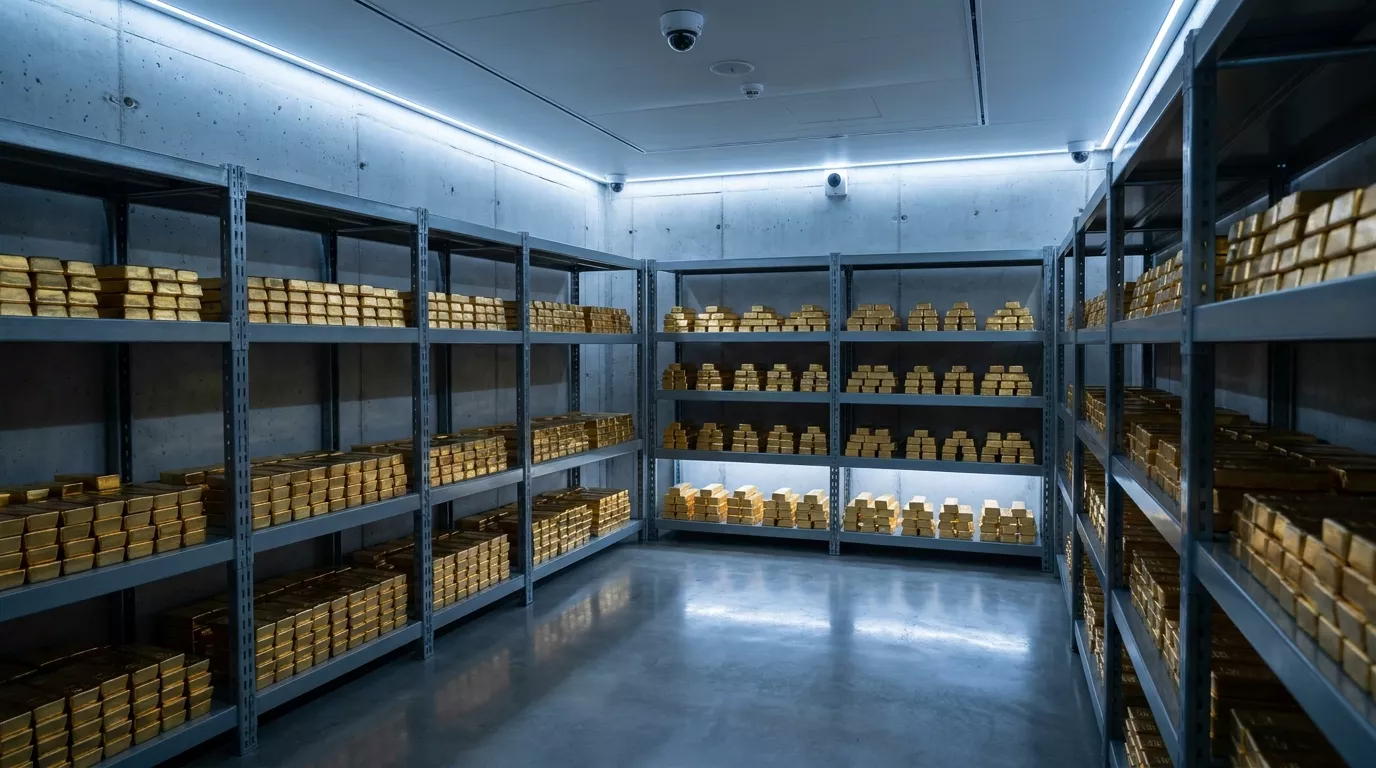
Your metals ship to an insured, IRS-approved depository — common names include the Delaware Depository, Brink's, and Loomis — fully allocated in your name. IRS rules require this; gold IRA metals cannot be kept at home.
Keeping a rollover tax- and penalty-free
The cleanest route is a direct transfer, where funds move custodian-to-custodian and never pass through your hands. If you instead take an indirect (60-day) rollover, you generally must redeposit the full amount within 60 days to avoid taxes and penalties, and limits apply. A direct transfer sidesteps that risk entirely, which is why most specialists recommend it.
The fees to expect
A gold IRA costs more to run than a basic brokerage IRA because real metal must be administered and stored. Typical line items include:
- A one-time account setup fee
- An annual custodian or maintenance fee
- Annual storage and insurance (segregated storage usually costs more than commingled)
- A dealer markup on the metals themselves, separate from custody fees
Fee structures vary widely between companies — some are flat, some scale with account size, and some waive the first year on larger transfers. Always confirm the full schedule and the coin spread in writing before you commit. Our company reviews break these down firm by firm.
Frequently asked questions
Can I roll over my 401(k) into a gold IRA without penalty?
Yes. A direct, custodian-to-custodian rollover or transfer from an eligible 401(k), 403(b), TSP, or IRA into a gold IRA is generally not a taxable event and carries no early-withdrawal penalty when completed correctly. A specialist handles the paperwork to keep it compliant.
Can I store gold IRA metals at home?
No. IRS rules require gold IRA metals to be held by an approved custodian at an approved depository, such as the Delaware Depository, Brink's, or Loomis. Storing IRA metals at home can disqualify the account and trigger taxes and penalties.
Which metals qualify for a gold IRA?
Gold, silver, platinum, and palladium can qualify, but only specific products that meet IRS fineness standards. Your specialist confirms eligibility before purchase, since not every coin or bar is approved.
How long does it take to set up a gold IRA?
Opening the account is often a single short call. A direct rollover or transfer typically settles within one to three weeks, depending on how quickly your existing custodian releases the funds.